


GLT
Custom Glass Bottle Design Cannot Rely Solely on Visual Renderings
08-26-2026
Custom glass bottle packaging is a key factor in determining the competitiveness of candle, essential oil, honey, cosmetic, and beverage brands. Currently, many entrepreneurs and Small and medium-sized factories, when preparing to launch new products, first commission a set of stunning bottle renderings. Seeing a beautifully designed bottle easily leads to the conclusion: “This is the packaging I want.”
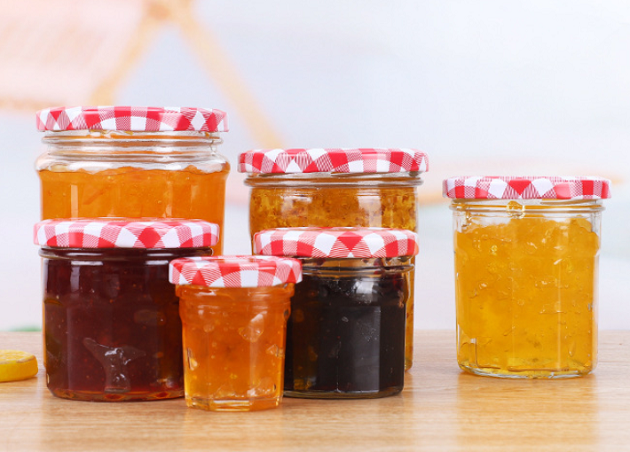
However, in my years of working with clients worldwide, I’ve seen far too many brands get stuck at this stage. Clients come to us with beautiful renderings, full of anticipation for production, only to suddenly encounter exorbitant mold fees, manufacturing difficulties, mismatched caps, and endless delivery delays, ultimately bringing the project to a standstill.
As an experienced glass packaging sourcing supplier, GLT receives dozens of custom glass bottle inquiries every month. However, we’ve discovered a common problem: the vast majority of renderings are merely aesthetically pleasing images. Designers rarely consider glass bottle production limitations, your project budget, or the practical needs of filling, shipping, and storage. If you directly use renderings as the final product for production, it’s very easy to waste money and valuable time to market.
Renderings are merely creative references and should never be used directly as production blueprints. Renderings aim for aesthetic appeal, but glass factories operate under a set of fixed, practical rules for mass production. This gap is the root cause of many packaging projects failing. Based on the most common issues we encounter in our daily work, we’ve summarized the risks into four points:
- Unique, irregular bottle shapes mean entirely new mold expenses. Most best-selling glass bottles on the market use existing molds. Choosing ready-made bottles means zero mold costs, consistent quality, and fast delivery. However, those unique curves, asymmetrical contours, and very thin-walled shapes in renderings rarely have readily available molds. This necessitates creating a new mold. Mold creation is not cheap and requires multiple rounds of sampling and modifications, lengthening your project cycle. For startups and clients with small order volumes, creating a completely new mold is often very cost-effective and not recommended.
- The exquisite decorative effects in the renderings are difficult to replicate 1:1 on curved glass. Gradient printing, large-area curved hot stamping, extremely fine silkscreen lines, embossed textures on the bottleetc.These effects look very sophisticated in the renderings. However, glass bottles have curved surfaces. Whether the printing and hot stamping can be done clearly largely depends on the curvature of the bottle, the width of the bottle surface, and the thickness of the glass. In areas with too much curvature, delicate patterns are easily distorted and blurred. Even if the factory repeatedly adjusts the process, the final product will still differ from the rendering.
- Incompatible bottle caps are the most easily overlooked fatal problem. This is a pitfall I’ve encountered many times. The renderings often feature a unique and beautiful cap. Only after the bottle shape is finalized do clients realize that there are no standard bottle caps on the market that fit the bottle. If you have to customize the bottle caps, there will be additional mold fees, the minimum order quantity will increase, the overall delivery time will be extended again, and new product launch plans will be delayed. 4. Aesthetically pleasing proportions in a rendering don’t equate to a practical bottle.
Designers often focus solely on visual appeal when rendering images, neglecting actual capacity and bottle wall thickness. A bottle that looks perfect in an image may have a smaller filling capacity than desired in actual production. Bottles with thin walls are prone to breakage during filling and pose a risk of leakage during long-distance sea transport. Discovering problems after mass production can result in significant losses.
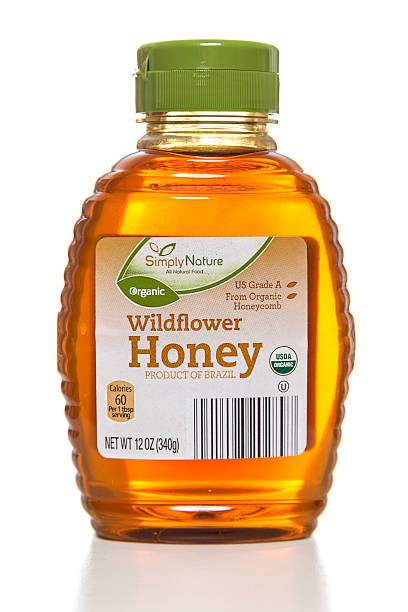
Miami, USA – August 22, 2014: Simply Nature organic wildflower honey bottle
Real Case Study: How Startups Can Balance Aesthetics and Practicality?
We once served a Middle Eastern honey startup. The client prepared a design for a set of high-end hexagonal honey glass jars and planned to customize new molds for mass production. After professional evaluation, we found that this unique hexagonal structure required high mold costs and carried a high risk of printing failures. Most importantly, the lid design, while luxurious like a jewel, overlooked the high mold customization fees and minimum order quantity requirements.
To help the client save on budget and ensure production stability, we recommended a mature, readily available jar design that retained over 90% of the ideal visual effect. This solution completely avoided new mold costs, shortened delivery cycles, ensured stable printing and sealing performance, and solved the cap issue. The end result was a win-win situation. Thanks to our professional service, we lived up to our client’s trust and support, leading to a successful product launch for our overseas client, who then chose us for subsequent orders. For most small and medium-sized startups, this is the most suitable packaging solution.