


GLT
5 Major Pitfalls Brand Buyers Often Overlook When Purchasing Glass Bottles
08-21-2026
Many brand buyers, when purchasing glass bottles, pay close attention to factors such as price, delivery time, sample appearance, and MOQ, yet overlook hidden risks like the differences between samples and mass production, compliance issues, product stability, and after-sales service. While they may seem to have found a low-cost and hassle-free supplier, later on, they may encounter high hidden costs due to issues such as discrepancies between batches and samples, mismatched accessories, customs clearance failures, terminal returns, and damage to the brand’s reputation.
Five core risks:
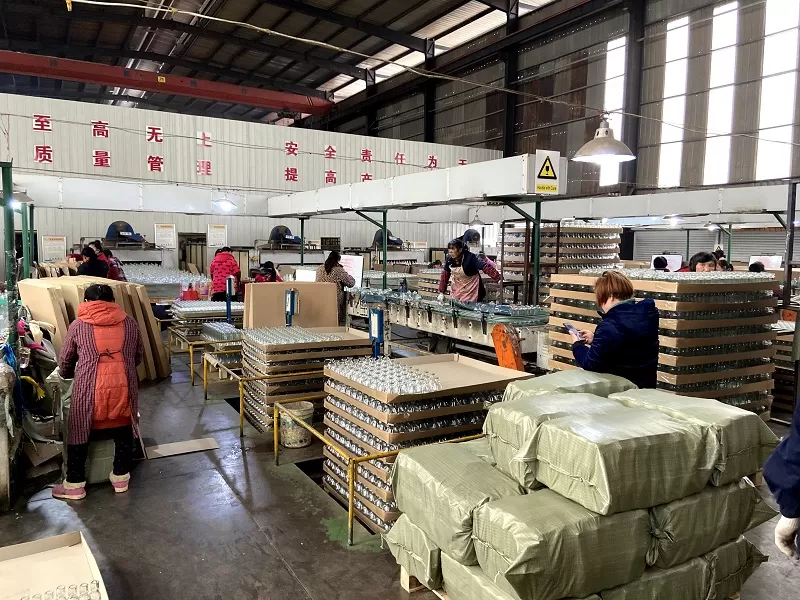
1. Inconsistent batches. The samples are significantly different from the mass-produced products. Buyers only confirm the quality of the samples, but there are no explicit regulations on some sample details, and no written standards have been established. During mass production, there are inconsistencies in the thickness, weight, light transmittance, color difference, and embossed pattern of each batch of bottles, without a unified quality control standard.
Actual hazards: The height of product filling may not be uniform, leading to visual clutter on shelves, a loss of high-end brand perception, negative reviews on cross-border platforms, and a surge in channel return rates. Especially when the control of recycled glass raw materials is lax, hidden quality issues such as unstable UV filtering performance may arise.
Avoidance plan: Before placing an order, ensure the detailed technical drawings (if available) are locked in place. The color can be specified using Pantone color codes, and the wall thickness tolerance standard should be confirmed. Request the factory to provide batch-to-batch inspection reports or have a third party conduct the inspection. Refuse to accept verbal samples as the sole standard.
2.Incomplete compliance qualifications pose a risk of customs clearance issues and product removal from supermarket shelves, which buyers are particularly prone to overlook. They often assume that the purchased products are widely applicable, especially in the food industry, and thus neglect the specific compliance requirements. Furthermore, many factories can only provide general corporate quality inspection reports and are unable to provide batch-specific certification documents.
Possible risks: Failure to comply with FDA and EU food contact regulations in European and American markets; customs detention and clearance failures; failure to pass random inspections on supermarkets and Amazon platforms, leading to immediate product delisting and store penalties, resulting in substantial losses.
Avoidance plan: Request corresponding qualifications (food/cosmetic grade testing reports) based on the product scenario; for example, for COA certification, require that the certificate, batch number, and shipment number correspond one-to-one, and reject generic expired certificates.
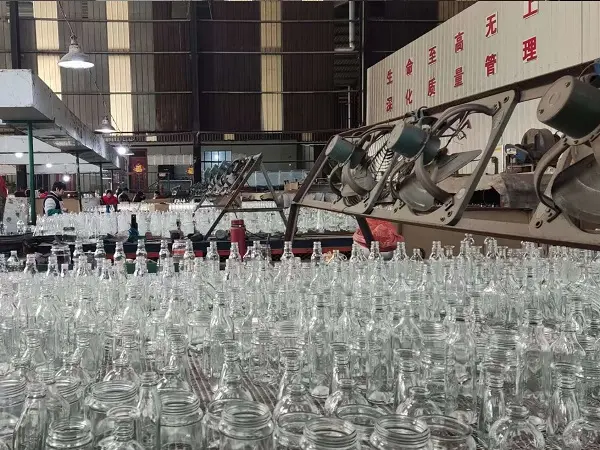
3.Annealing residual stress, invisible self-explosion/breakage risk: This is an issue that many buyers tend to overlook. They only inspect the integrity and whether there are bubbles or scratches on the surface, completely unaware of the annealing process. While we focus on price, we should also consider product quality. Some factories, in order to speed up production and increase output, shorten the glass’s constant temperature cooling time, switching from 2-3 seconds for raw materials to 1 second for molding. This results in huge residual internal stress inside the bottle, which may not be visible from the outside but poses a fatal hidden danger.
Actual hazards: After transportation bumps, temperature changes, and filling compression, there is a possibility of silent self-explosion and batch cracking. The damage rate upon arrival far exceeds industry standards, resulting in extremely high replenishment and air freight costs, directly delaying the product launch cycle.
Avoidance plan: When purchasing, clearly request standard annealing processes and provide stress testing reports; conduct random sampling for thermal shock testing before mass production to identify potential damage risks in advance.
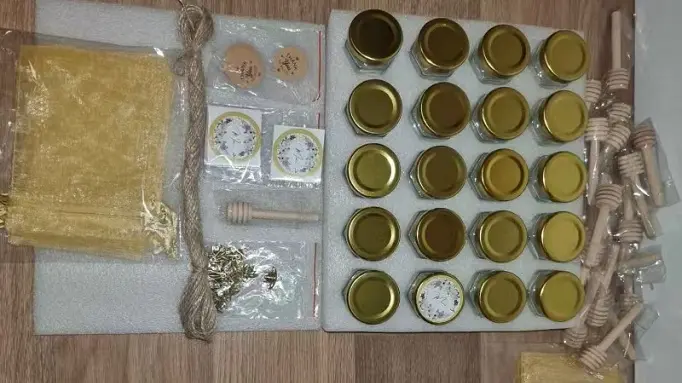
4.The bottle body does not match the accessories, leading to leakage and after-sales crises. Some products require separate procurement of the bottle body, cap, dropper, and spray pump. They only consider appearance compatibility, ignoring the tolerance of the bottle mouth, thread precision, and dimensional error of the sealing groove.
Actual hazards: Leakage, spillage, and oxidative deterioration occur during finished product storage and logistics; high-end essential oils, beverages, and skincare products are returned in bulk after sales, leading to a surge in customer complaints and damage to brand reputation.
Avoidance plan: Adhere to one-stop matching production, with the bottle body and accessories being produced in the same factory. Before mass production, conduct a complete set of sealing tests, inversion tests, and pressure tests to establish the compatibility standards.
5.Lack of quality inspection standards, with shipments relying solely on factory self-inspection. Core pain point (most easily overlooked by buyers): Small and medium-sized brands lack clear AQL quality inspection standards, defaulting to factory self-inspection. They are unclear about defect grading standards, and are not sure which defects are rejectable and which are acceptable.
Actual harm: A large number of defective products with scratches, stains, deformations, and burrs are mixed in with the genuine products; upon arrival, the factory rejects after-sales service due to “normal industry errors,” leaving the buyer to bear the loss and rework costs.
Avoidance plan: Clarify the AQL sampling inspection standard (industry-wide AQL1.5/AQL2.5) in the order contract; arrange for third-party inspection or factory full-inspection video before shipment, and only arrange for container loading after confirmation.
The majority of failed glass bottle procurements are not due to excessively high prices, but rather to unclear standards and neglect of potential risks. For brand owners, stable quality, comprehensive compliance, and lower after-sales losses are far more important than low unit prices. Establishing standardized procurement rules can effectively avoid batch errors, market penalties, and damage to the brand.